Introduction
Embroidering on swimwear merges artistic flair with technical precision, transforming ordinary garments into personalized works of art. This intricate craft demands a nuanced approach, balancing creativity with practicality to ensure the embroidery not only enhances the swimwear’s aesthetics but also withstands the challenges posed by water, chlorine, and sunlight. From selecting the right materials and designs to mastering essential techniques and maintenance practices, every aspect plays a crucial role in achieving superior results.
Throughout this article, we will delve into the specialized world of swimwear embroidery, offering detailed insights and expert tips to empower embroiderers of all levels. Whether you’re embarking on your first swimwear project or looking to refine your skills, understanding these fundamentals will equip you with the knowledge needed to create durable, eye catching designs. Join us as we explore the artistry and technical intricacies that elevate swimwear embroidery from a craft to a captivating form of expression.
Understanding Swimwear Embroidery
Embroidering on swimwear requires a nuanced approach due to the unique characteristics of swimwear fabrics. These materials are designed to be stretchy, resilient, and resistant to water, chlorine, and UV rays, making them significantly different from typical embroidery substrates like cotton or linen. This complexity can make swimwear embroidery both a challenging and rewarding endeavor.
The primary fabric used in swimwear is a blend of nylon and spandex, known for its excellent elasticity and quick drying properties. The stretchiness of these fabrics means they can easily distort under tension, making precise embroidery more difficult. Understanding how these fabrics behave under various conditions is essential. For instance, when stretched, the fibers can shift, causing the embroidery to appear uneven or puckered. Thus, maintaining the fabric’s natural state during the embroidery process is crucial to achieving a smooth and professional finish.
Another important aspect is the durability of the embroidery itself. Swimwear is exposed to harsh conditions, including chlorine in swimming pools, salt in seawater, and prolonged exposure to sunlight. These elements can degrade regular embroidery threads and cause colors to fade. Therefore, choosing the right type of thread is paramount. Polyester threads are favored for swimwear embroidery because of their high resistance to chemicals and UV radiation. Unlike cotton or rayon threads, polyester maintains its integrity and color vibrancy even after repeated exposure to these harsh conditions.
In addition to the thread, the choice of stabilizers plays a critical role. Stabilizers support the fabric during the embroidery process, preventing it from shifting and stretching. For swimwear, lightweight, tear away stabilizers are often recommended. These provide temporary support without leaving residue, which is important as any remaining stabilizer can be uncomfortable against the skin. Water soluble stabilizers are another excellent option, especially for more intricate designs. They dissolve completely in water, leaving the embroidery soft and smooth.

The tension settings of the embroidery machine must also be finely tuned to accommodate the stretch fabric. Incorrect tension can lead to thread breakage or looping, which compromises the design’s appearance and durability. Testing on a scrap piece of the same fabric before starting the actual project can help identify the optimal settings. This practice ensures that the final embroidery is both aesthetically pleasing and robust enough to withstand regular use and exposure to water.
Moreover, the placement of the embroidery design on the swimwear is a strategic decision. Areas that stretch significantly, such as across the chest or at the sides, should be approached with caution. Overly intricate or dense designs in these areas can become distorted or uncomfortable when the swimsuit is worn. Instead, placing embroidery on less stretchy parts, such as along the neckline, straps, or the back, can preserve both the appearance of the design and the comfort of the wearer.
Understanding these nuances of swimwear fabrics, the importance of choosing the right materials, and the necessity of adjusting machine settings and techniques are all crucial for successful swimwear embroidery. This knowledge not only helps in creating beautiful and durable designs but also in overcoming the unique challenges posed by these resilient yet delicate fabrics. For beginners, mastering these aspects is the key to unlocking the full potential of swimwear embroidery and transforming ordinary swimwear into extraordinary pieces of wearable art.
Choosing the Right Materials
Choosing the right materials for swimwear embroidery is a foundational step that significantly impacts the durability, appearance, and functionality of the finished product. The unique properties of swimwear fabrics necessitate careful consideration of threads, stabilizers, and other materials to ensure that the embroidered design not only looks good but also stands up to the rigors of regular use in water, exposure to chlorine, and UV light.
When it comes to threads, polyester is the gold standard for swimwear embroidery. Unlike cotton or rayon, polyester threads are highly resistant to the bleaching effects of chlorine and the degradation caused by UV rays. This resistance ensures that the embroidery maintains its color and structural integrity even after repeated exposure to pool water or sunlight. Polyester threads are also strong and flexible, making them ideal for use on stretchy fabrics as they can withstand the pulling and stretching without breaking or distorting the design. When selecting polyester threads, it’s beneficial to choose high quality brands known for their durability and colorfastness to guarantee the best results.
Stabilizers are another critical component in swimwear embroidery. They provide the necessary support to the fabric during the embroidery process, preventing it from stretching and shifting, which could result in puckering or misaligned stitches. For swimwear, lightweight tear away stabilizers are often preferred because they offer temporary support and can be easily removed without leaving any uncomfortable residue. However, for more complex or dense designs, water soluble stabilizers can be invaluable. These stabilizers dissolve completely in water, ensuring that no trace of the stabilizer is left behind, which is particularly important for swimwear where residual stabilizer could irritate the skin or affect the fabric’s flexibility.
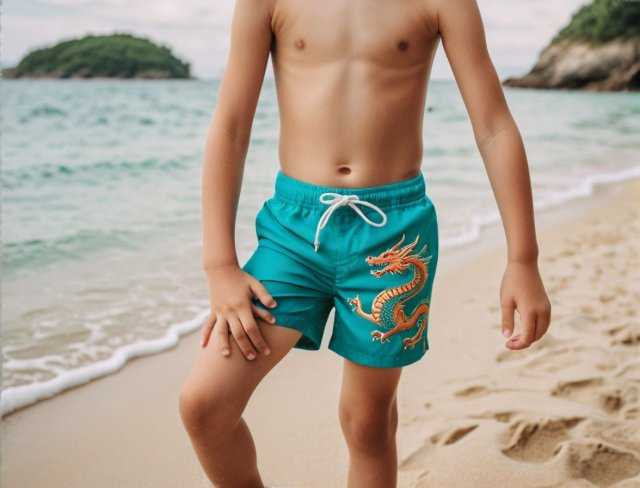
Needle selection is another aspect that should not be overlooked. The right needle ensures clean, precise stitches and prevents damage to the delicate swimwear fabric. For swimwear embroidery, a size 75/11 or 80/12 needle is generally recommended. These sizes are fine enough to avoid creating large holes in the fabric while still being robust enough to handle the thick polyester threads. Additionally, using a ballpoint needle can help as it pushes the fibers apart rather than piercing them, reducing the risk of runs and snags in the fabric.
Backing materials are sometimes used in swimwear embroidery to provide additional stability. These materials can be particularly useful for larger or more intricate designs. However, the backing should be chosen carefully to ensure it does not compromise the stretch and comfort of the swimwear. A soft, flexible backing that can be trimmed close to the stitches is often ideal, as it provides support without adding bulk or stiffness to the garment.
In addition to these materials, it’s essential to consider the type of swimwear fabric being embroidered. Swimwear is typically made from a blend of nylon and spandex, but the exact composition can vary. Understanding the specific properties of the fabric, such as its elasticity, thickness, and reaction to heat and water, can help in selecting the most appropriate materials and settings for embroidery. Testing materials and techniques on a scrap piece of the same fabric can provide valuable insights and help avoid potential issues in the final piece.
Overall, the choice of materials for swimwear embroidery goes beyond simple aesthetics. It involves a strategic selection process aimed at balancing visual appeal, durability, and comfort. By prioritizing high quality polyester threads, appropriate stabilizers, the right needle size, and understanding the fabric’s properties, embroiderers can create beautiful, long lasting designs that enhance the swimwear without compromising its functionality or wearability. This careful selection of materials ensures that the embroidered swimwear not only looks stunning but also stands up to the unique demands of an aquatic environment.
Essential Techniques for Swimwear Embroidery
Embroidering on swimwear demands precision and thoughtful technique due to the fabric’s unique properties and exposure to harsh conditions. Mastering these essential techniques ensures that your designs not only look beautiful but also withstand the rigors of water, chlorine, and sunlight. Here’s a comprehensive guide to mastering swimwear embroidery:
1. Proper Hooping Techniques
Proper hooping is crucial to prevent fabric shifting and distortion during embroidery. For swimwear, which often consists of stretchy fabrics like nylon spandex blends, it’s essential to use a hoop that matches your design size closely. This ensures the fabric is taut without being overstretched, which can lead to puckering or misalignment of stitches. Consider using stabilizer clips or temporary adhesive sprays to secure the fabric in place without damaging its elasticity. These aids help maintain the fabric’s natural stretch while providing the stability needed for precise embroidery.

2. Stitch Selection
The choice of stitches significantly impacts the appearance and durability of swimwear embroidery. Satin stitches are particularly well suited for swimwear due to their dense, smooth finish that enhances the design’s visibility on stretchy fabrics. When selecting stitch density and length, aim for adequate coverage without compromising the fabric’s stretch and comfort. Too dense stitches can stiffen the fabric, affecting its wearability, while too sparse stitches may not provide sufficient coverage. Underlay stitches are essential as they provide a foundation for top stitches, improving the design’s stability and longevity. Experiment with different stitch settings on scrap fabric to find the optimal combination that achieves both aesthetic appeal and functionality.
3. Stabilizing Methods
Choosing the right stabilizer is critical for achieving clean and precise embroidery on swimwear. Lightweight tear away stabilizers are popular choices as they provide temporary support during the embroidery process and can be easily removed afterward without leaving any residue that could irritate the skin. For intricate designs or fabrics that require more stability, water soluble stabilizers offer excellent support. These stabilizers dissolve completely in water, leaving the embroidery soft and flexible, which is ideal for swimwear where comfort is paramount. Proper stabilizing ensures that the fabric remains stable during stitching, preventing puckering and ensuring the embroidery retains its shape and detail.
4. Tension Settings
Adjusting machine tension is crucial for achieving consistent and even stitches on swimwear fabrics. Improper tension can result in thread breakage, looping, or uneven stitching, compromising the quality of the embroidery. Before starting on the final garment, conduct thorough tests on scrap fabric to find the optimal tension settings. Balance the top thread tension with the bobbin tension to achieve a harmonious stitch formation. For swimwear embroidery, where the fabric’s elasticity can affect stitching outcomes, precise tension adjustments are essential for ensuring the embroidery looks professional and lasts through multiple wearings and washings.
5. Needle Selection
The right needle plays a significant role in preventing fabric damage and achieving smooth, precise embroidery on swimwear. Use a size 75/11 or 80/12 embroidery needle, which is fine enough to avoid creating large holes in the fabric while being strong enough to handle polyester threads commonly used for swimwear embroidery. Consider using ballpoint needles, especially designed to push the fabric fibers aside rather than piercing them, which reduces the risk of runs and snags. Proper needle selection not only ensures clean stitch formation but also preserves the fabric’s integrity and comfort, making the embroidered swimwear pleasant to wear.
6. Design Placement
Strategic placement of embroidery designs is essential for both aesthetic appeal and garment functionality in swimwear. Avoid placing embroidery in high stretch areas like across the chest or hips, as these areas can distort the design when the fabric stretches during wear. Instead, focus on areas with less stretch, such as the neckline, straps, or the back of the swimsuit. These areas provide stability for the embroidery while ensuring the design remains intact and enhances the swimwear’s overall look. By strategically placing designs, embroiderers can create visually pleasing and functional pieces that complement the natural contours of the body.
7. Testing and Adjustments
Before embroidering the final piece of swimwear, conduct comprehensive tests on scrap fabric to refine techniques and settings. Test different stitch densities, tension adjustments, and design placements to identify any potential issues and make necessary adjustments. Testing ensures that the final embroidery meets quality standards, with stitches that are even, durable, and aesthetically pleasing. This practice not only improves the embroidery process but also enhances the overall quality and longevity of the finished swimwear, ensuring it withstands the challenges of water, chlorine, and sunlight while maintaining its beauty and functionality.
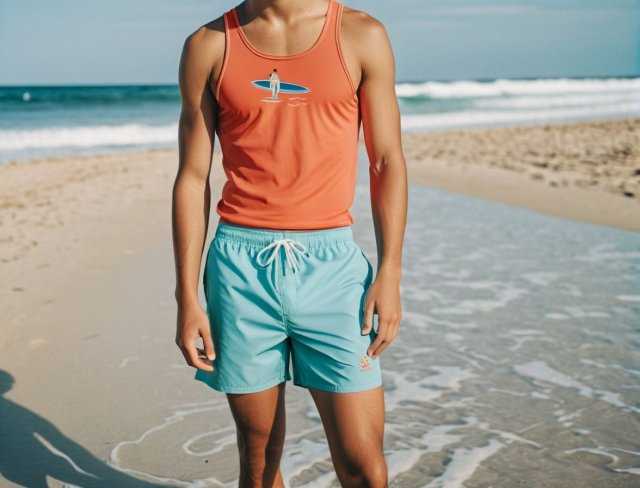
Mastering these essential techniques empowers embroiderers to create professional quality swimwear designs that endure and enhance the garment’s functionality and visual appeal. Each technique plays a critical role in overcoming the unique challenges posed by swimwear fabrics, ensuring that the embroidered designs not only look beautiful but also stand the test of time and wear.
Designs and Placement
Embroidery designs and their placement on swimwear are crucial factors that can significantly enhance the garment’s aesthetic appeal and functionality. Choosing the right designs and strategically placing them on swimwear requires careful consideration of both visual impact and practicality to ensure the embroidery complements the garment’s shape and movement.
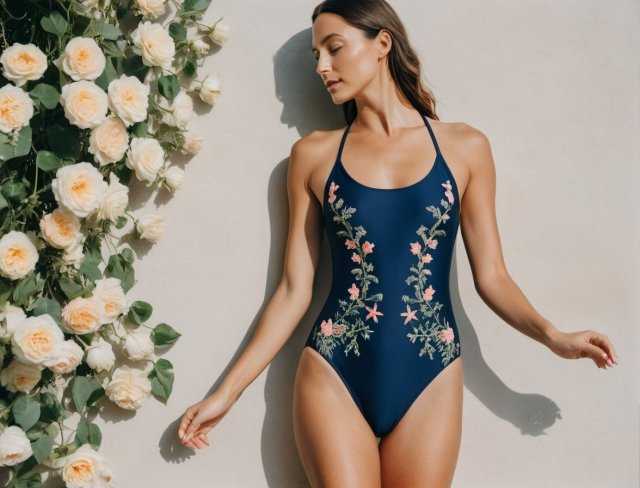
When selecting embroidery designs for swimwear, simplicity often reigns supreme. Intricate designs may look stunning on flat surfaces but can distort when stretched over the body, compromising both the design’s integrity and the comfort of the wearer. Opting for simpler designs with fewer stitches can mitigate this risk, ensuring the embroidery maintains its clarity and shape even when the fabric stretches during wear. Geometric patterns, abstract shapes, or minimalist motifs are popular choices for swimwear embroidery as they lend themselves well to the fabric’s contours and provide a clean, modern aesthetic.
Consider the placement of embroidery designs carefully to enhance the swimwear’s overall look and functionality. Avoid placing embroidery in areas that experience significant stretch, such as across the chest or hips, as this can distort the design and cause discomfort for the wearer. Instead, focus on areas of the garment that maintain their shape during movement, such as the neckline, straps, or the back of the swimsuit. These areas provide stability for the embroidery, ensuring it remains visible and intact without compromising the fabric’s stretch or comfort.
Embroidery placement can also be used strategically to highlight or complement the wearer’s natural curves. Placing embroidery along the neckline or straps can draw attention to the upper body, while designs along the sides or back can accentuate the silhouette and add visual interest to the garment. By aligning the embroidery with the garment’s structural seams or contours, embroiderers can create a cohesive look that enhances the swimwear’s design while flattering the wearer’s figure.
Additionally, consider the color palette of the embroidery designs to coordinate with the swimwear fabric. Opt for colors that complement or contrast harmoniously with the base fabric color, enhancing the overall visual impact of the garment. Vibrant, contrasting colors can create a bold statement, while subtle tones can lend a sophisticated touch. Testing different color combinations on scrap fabric can help determine the most effective choices before embroidering the final piece.
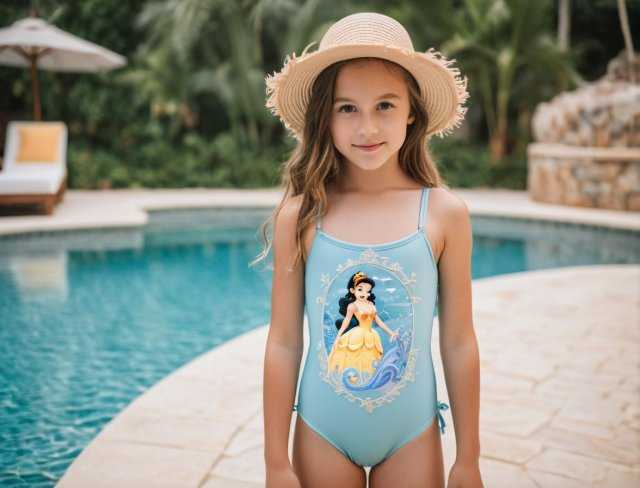
Ultimately, designing and placing embroidery on swimwear requires a balance of creativity, technical skill, and practicality. By choosing designs that are both visually appealing and compatible with the fabric’s stretch and movement, and by strategically placing them to enhance the garment’s shape and functionality, embroiderers can create swimwear that not only looks beautiful but also feels comfortable and performs well in water and sunlight. This thoughtful approach ensures that the embroidery enhances the overall design while maintaining the integrity and wearability of the swimwear, making it a standout piece for both leisure and performance use.
Machine Setup and Embroidery Tips
Setting up your embroidery machine correctly is foundational to achieving professional quality results when embroidering on swimwear fabrics. The unique characteristics of swimwear materials, such as their stretchiness and resistance to water and sunlight, require specific considerations and adjustments to your machine setup. Here’s a detailed exploration of key machine setup steps and embroidery tips tailored specifically for swimwear projects:
• Machine Setup
Setting up your embroidery machine correctly lays the foundation for successful swimwear embroidery. Begin by ensuring your machine is clean and well maintained, as any debris or buildup can affect stitch quality and machine performance. Clean the bobbin area, change needles regularly, and lubricate moving parts as recommended by the manufacturer to keep your machine in optimal condition.
Next, choose the appropriate embroidery thread and needles for swimwear fabrics. Polyester threads are commonly recommended for their durability and colorfastness, essential qualities for swimwear subjected to water and sunlight. Use size 75/11 or 80/12 embroidery needles to prevent fabric damage while ensuring smooth, precise stitching.
Calibrating your machine’s tension settings is critical for achieving even and balanced stitches on stretchy swimwear fabrics. Test tension settings on scrap fabric to find the optimal balance between the top and bobbin threads. Adjust tension as needed to prevent thread breakage and ensure the embroidery lays flat and smooth on the fabric surface.
Consider using a lightweight, tear away stabilizer for swimwear embroidery. Tear away stabilizers provide temporary support during stitching and can be easily removed afterward without leaving residue that could irritate the skin. Alternatively, water soluble stabilizers are suitable for intricate designs or fabrics that require additional stability. These stabilizers dissolve completely in water, leaving behind soft and flexible embroidery.
• Embroidery Tips
1. Test on Scrap Fabric: Before embroidering the final swimwear piece, conduct test runs on scrap fabric to fine tune settings and ensure the chosen design and thread colors work well together. Testing helps identify potential issues like tension problems or design placement errors early on, allowing you to make adjustments before committing to the final garment.
2. Use Hooping Aids: Hooping swimwear fabric properly is crucial to prevent stretching and distortion during embroidery. Use stabilizer clips or temporary adhesive sprays to secure the fabric in the hoop without compromising its elasticity. This ensures the fabric remains taut and stable throughout the embroidery process, resulting in cleaner and more precise stitching.
3. Choose Suitable Designs: Opt for designs that complement the contours and stretch of swimwear fabrics. Simplified motifs or geometric patterns often work best, as they maintain clarity and shape even when the fabric stretches. Avoid overly dense or intricate designs that may stiffen the fabric or become distorted during wear.
4. Consider Stitch Density: Adjust stitch density to strike a balance between coverage and fabric flexibility. Dense stitches can stiffen the fabric, affecting comfort and wearability, while sparse stitches may not provide sufficient coverage. Experiment with stitch length and density on scrap fabric to find the optimal settings for your chosen design and fabric type.
5. Secure Thread Ends: After completing embroidery, securely fasten thread ends on the reverse side of the fabric to prevent unraveling. Trim excess threads carefully to ensure a neat finish without damaging the embroidered design or the swimwear fabric.
6. Monitor Stitch Quality: Regularly monitor stitch quality during the embroidery process. Check for skipped stitches, thread breaks, or tension issues and make adjustments as needed to maintain consistent stitch formation and overall embroidery quality.
By following these machine setup and embroidery tips, you can effectively enhance the quality and durability of swimwear embroidery projects. Attention to detail, from machine maintenance to thread selection and embroidery technique, ensures that your designs not only look stunning but also withstand the challenges of water, chlorine, and sunlight, making them suitable for both leisure and performance swimwear.
Care and Maintenance
Care and maintenance are crucial aspects of preserving the quality and longevity of embroidered swimwear. Proper care ensures that the delicate embroidery remains vibrant and intact despite exposure to water, chlorine, and sunlight. Here’s a detailed exploration of essential care and maintenance practices for embroidered swimwear:
Embroidered swimwear should be rinsed thoroughly with cold water immediately after each use to remove salt, chlorine, and sunscreen residues. Avoid leaving the swimwear damp or rolled up for extended periods, as this can promote mold and mildew growth, compromising both the fabric and embroidery. Hand washing swimwear with a mild detergent is recommended to preserve the delicate embroidery and fabric elasticity. Machine washing should be avoided unless the garment’s care label specifies it is safe, as agitation and spin cycles can damage both the embroidery and fabric. Always use a gentle cycle and a mesh laundry bag to protect the embroidery from abrasion and snags.
Avoid using harsh detergents, bleach, or fabric softeners, as these can fade colors and weaken the fabric fibers over time. Instead, opt for detergents specifically formulated for delicate fabrics and swimwear to maintain color vibrancy and fabric integrity. After washing, gently squeeze excess water from the swimwear without wringing or twisting to avoid stressing the embroidery stitches and fabric fibers.
When drying embroidered swimwear, lay it flat on a clean towel or drying rack in a shaded area away from direct sunlight. Excessive exposure to sunlight can fade colors and weaken the fabric fibers, compromising the longevity of both the embroidery and the swimwear. Avoid using a dryer, as the heat can shrink the fabric and damage the embroidery threads. If necessary, reshape the swimwear while it is still damp to maintain its original shape and prevent distortion of the embroidery design.
Store embroidered swimwear flat in a cool, dry place to prevent wrinkles and maintain its shape between uses. Avoid folding the swimwear, as this can create creases that may be difficult to remove and can distort the embroidered design over time. If traveling, pack swimwear in a breathable garment bag to protect it from friction and exposure to other items in your luggage.
Regularly inspect embroidered swimwear for loose threads or damaged stitches. Repair any minor issues promptly using matching thread and a needle to prevent further damage to the embroidery. For more extensive repairs or cleaning, consult a professional cleaner experienced in handling delicate fabrics and embroidery.
By following these comprehensive care and maintenance practices, you can extend the life of your embroidered swimwear while preserving the beauty and integrity of the embroidery. Proper care ensures that your swimwear remains vibrant and comfortable, ready for enjoyment in both leisure and performance settings.
Conclusion
Mastering the art of swimwear embroidery requires a blend of creativity, technical skill, and careful consideration of fabric properties. From selecting the right materials and designs to mastering essential techniques and maintaining proper care, each step contributes to creating swimwear that is not only visually stunning but also durable and comfortable to wear. By following the guidelines outlined in this article, embroiderers can confidently enhance swimwear with intricate designs that withstand the challenges of water, chlorine, and sunlight. Whether for personal enjoyment or professional projects, the knowledge gained here empowers embroiderers to create swimwear that stands out for its craftsmanship and aesthetic appeal.
Embroidering on swimwear presents unique challenges and opportunities, requiring attention to detail and a commitment to quality throughout the process. By understanding the nuances of swimwear fabrics, employing proper machine setup and embroidery techniques, and adopting meticulous care practices, embroiderers can ensure their creations endure and delight wearers for seasons to come. Embrace the artistry and technicality of swimwear embroidery, and let your creations shine both in and out of the water, reflecting your passion and dedication to this specialized craft.
Now that you have read through this article, feel free to SHOP for products we have created. If you are looking for something special which isn’t in our store, feel free to contact us.