Introduction
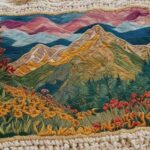
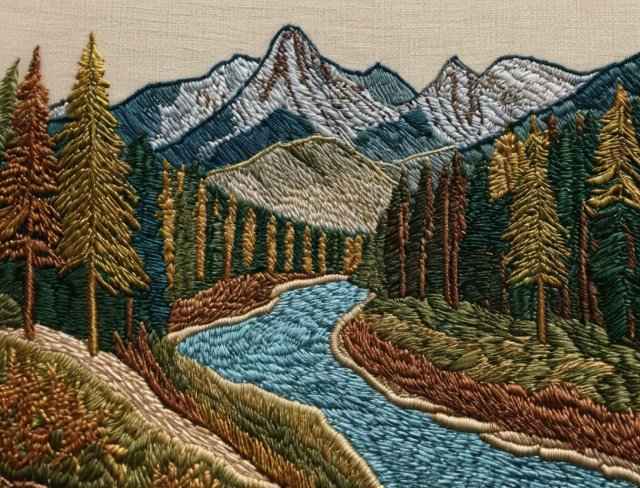
Embroidery, a timeless craft steeped in tradition and artistry, finds one of its most enchanting expressions in embroidered scenery. This intricate genre of embroidery transports viewers to captivating landscapes and evocative settings, inviting them to immerse themselves in a world of beauty and wonder. Embroidered scenery, with its intricate stitchwork and vivid imagery, represents a pinnacle of embroidery craftsmanship.
From serene nature scenes to bustling urban landscapes, each embroidered tableau tells a story and captures the essence of its subject with remarkable detail and precision. As threads intertwine to create scenes of breathtaking beauty, embroidered scenery transcends the boundaries of traditional art forms, offering a unique blend of tactile and visual appeal.
As we embark on this journey through the world of embroidered scenery, we unravel the techniques and complexities that shape its creation, while also considering the evolving landscape of design and the principles that govern its crafting.
Techniques and Processes
Creating embroidered scenery is a multifaceted process that encompasses a variety of techniques and processes. Embroiderers employ a rich array of stitching methods to bring their scenes to life, each requiring precision and artistry. Basic stitches such as running stitch, backstitch, and satin stitch provide the foundation for building shapes and outlines, while more advanced techniques like long and short stitch, couching, and French knots add depth, texture, and detail to the composition.
The choice of fabric plays a crucial role in the success of embroidered scenery. Different fabrics offer varying textures, weights, and characteristics that influence the appearance and handling of the finished piece. For landscapes requiring intricate detail, a tightly woven fabric such as linen or cotton provides a smooth surface for fine stitching. In contrast, textured fabrics like wool or felt can add dimension and interest to scenes featuring foliage, landscapes, or architectural elements.
Selecting the appropriate threads is equally important in achieving the desired effect in embroidered scenery. Embroidery floss, with its versatile strands that can be separated for finer work or used together for bolder effects, is a popular choice for its wide range of colors and ease of use. Specialty threads such as metallics, silks, and variegated yarns offer additional options for adding shimmer, sheen, and dimension to embroidered scenes, lending them a touch of luxury and sophistication.
In addition to traditional hand embroidery techniques, modern advancements in technology have expanded the possibilities for creating embroidered scenery. Computerized embroidery machines allow for precise stitching and intricate designs to be reproduced with ease and efficiency. With the ability to digitize designs and program stitching sequences, embroiderers can achieve complex scenes with a level of detail and accuracy that would be challenging to replicate by hand.
Regardless of the techniques and tools employed, the process of creating embroidered scenery requires patience, skill, and attention to detail. Each stitch is carefully placed, each thread thoughtfully chosen, to convey the mood, atmosphere, and narrative of the scene. From the initial sketch or digital design to the final stitches that bring the composition to life, the journey of crafting embroidered scenery is a labor of love and dedication, resulting in works of art that captivate and inspire viewers for generations to come.
Complexity of Crafting Embroidered Scenery
Crafting embroidered scenery is a journey filled with intricacies, challenges, and moments of creative revelation. From the initial concept to the final stitch, every step in the process demands precision, patience, and a keen eye for detail.
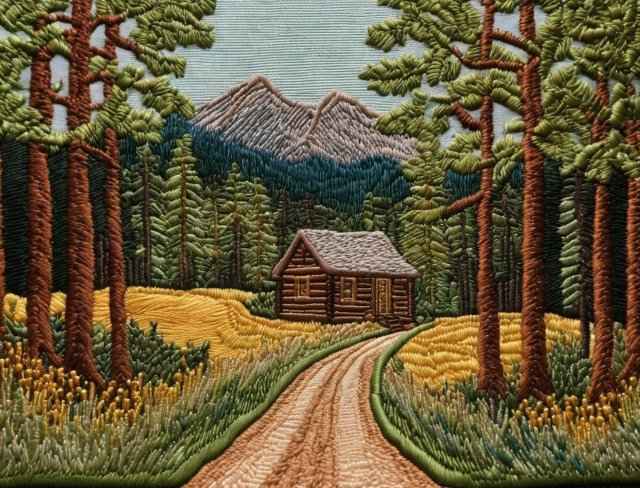
One of the foremost challenges in crafting embroidered scenery lies in the translation of two dimensional images or ideas into three dimensional textile art. Unlike other forms of visual art, embroidery requires the careful consideration of not only form and composition but also texture, dimensionality, and materiality. Embroiderers must possess a deep understanding of how different stitches, threads, and fabrics interact to create the desired effect, whether it be the soft, velvety texture of a flower petal or the crisp, linear lines of architectural details.
Furthermore, embroidered scenery often involves the integration of multiple techniques and approaches to achieve a cohesive and harmonious composition. Combining various stitching methods such as satin stitch, split stitch, and chain stitch allows for the creation of intricate details, subtle shading, and realistic textures. Layering threads and fabrics, appliquéing embellishments, and incorporating mixed media elements add depth, richness, and visual interest to the scene, transforming a flat surface into a dynamic tableau that captivates the senses.
The complexity of crafting embroidered scenery is further heightened by the need for meticulous planning and execution. Unlike spontaneous or gestural forms of art, embroidery requires careful premeditation and attention to detail at every stage of the process. From sketching initial designs and selecting materials to plotting out stitching sequences and color schemes, embroiderers must approach their work with a methodical mindset, ensuring that each decision contributes to the overall coherence and impact of the finished piece.
Moreover, embroidered scenery often presents technical challenges that require innovative solutions and creative problem solving. Whether it’s navigating intricate patterns, managing tension and puckering, or achieving smooth color transitions, embroiderers must draw upon their knowledge, experience, and resourcefulness to overcome obstacles and realize their vision. Trial and error, experimentation, and a willingness to embrace imperfection are all essential aspects of the creative journey, guiding embroiderers towards mastery and mastery and pushing the boundaries of their craft.
Despite its challenges, the complexity of crafting embroidered scenery offers endless opportunities for growth, discovery, and self expression. Each new project brings with it the promise of exploration and innovation, as embroiderers push the limits of their skills and imagination to create works of art that transcend the ordinary and inspire wonder. In the intricate landscapes of embroidered scenery, the journey of creation is as rewarding as the destination, offering moments of insight, joy, and connection that enrich both the maker and the viewer alike.
Artistic Significance
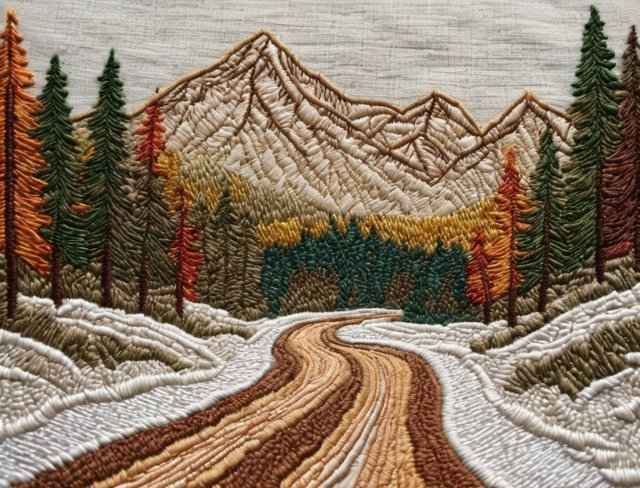
Embroidered scenery holds a revered place within the realm of textile art, offering a captivating blend of aesthetic beauty, technical mastery, and cultural significance. From ancient tapestries and samplers to contemporary fiber art and mixed media installations, embroidered scenery has long been celebrated for its ability to transcend the boundaries of traditional artistic mediums and evoke powerful emotional responses from viewers.
At its core, embroidered scenery serves as a testament to the enduring human impulse to create, communicate, and connect with the world around us. Through the intricate interplay of thread, fabric, and stitch, embroiderers are able to capture the essence of landscapes, seascapes, and cityscapes, transforming ordinary scenes into extraordinary works of art that resonate with viewers on a deeply personal level.
One of the most compelling aspects of embroidered scenery is its capacity to evoke a sense of nostalgia, memory, and cultural heritage. Whether depicting scenes of everyday life, historical events, or fantastical realms, embroidered landscapes offer a window into the past, allowing viewers to glimpse moments frozen in time and to reflect on the passage of history. From the elaborate tapestries of the medieval era to the delicate samplers of the Victorian age, embroidered scenery serves as a visual record of the people, places, and events that have shaped our collective identity and consciousness.
Furthermore, embroidered scenery serves as a vehicle for personal expression, storytelling, and self discovery. For many embroiderers, the act of creating scenes from their imagination or lived experiences is a deeply cathartic and transformative process, allowing them to explore themes of identity, belonging, and aspiration. Through the careful selection of colors, textures, and motifs, embroiderers are able to infuse their work with layers of meaning and symbolism, inviting viewers to engage in a dialogue about the human condition and the nature of art itself.
In addition to its emotional and narrative depth, embroidered scenery also possesses a unique tactile and visual allure that sets it apart from other forms of art. The texture of thread against fabric, the play of light and shadow on stitched surfaces, the delicate interplay of colors and patterns, all combine to create a sensory experience that is both immersive and enchanting. Whether viewed up close or from a distance, embroidered scenery captivates the eye and stimulates the imagination, inviting viewers to lose themselves in a world of stitched wonders.
As the boundaries between traditional and contemporary art continue to blur, embroidered scenery remains a vibrant and relevant medium for artistic exploration and innovation. From experimental techniques and materials to digital embroidery and interactive installations, contemporary embroiderers are pushing the boundaries of their craft, redefining the possibilities of what embroidered scenery can be and challenging conventional notions of beauty, technique, and meaning.
In this ever evolving landscape of creativity and expression, embroidered scenery continues to captivate and inspire artists and audiences alike, reminding us of the enduring power of art to transform, uplift, and enrich our lives. Through its beauty, complexity, and significance, embroidered scenery invites us to see the world with fresh eyes, to appreciate the beauty of everyday moments, and to find wonder in the ordinary and the extraordinary alike.
Past, Present, and Future Scenery Designing
Embroidered scenery has always mirrored the zeitgeist of its time, incorporating designs that echo the past, capture the present, and envision the future aspirations of humanity. Each era brings forth its own unique aesthetic, reflecting the cultural, social, and technological landscape of the time.
In the past, embroidered scenery often drew inspiration from historical periods such as the Old West or the mid 20th century, evoking nostalgia for simpler times and iconic imagery. Scenes of cowboys riding across vast prairies, saloons bustling with activity, and vintage automobiles cruising down Main Street transported viewers back to the rugged frontier or the golden age of American suburbia. With meticulous attention to detail and period specific motifs, embroiderers recreated the ambiance of bygone eras, capturing the spirit of adventure, optimism, and resilience that defined these times.
In the present day, embroidered scenery reflects the hustle and bustle of modern life, capturing the energy and diversity of urban landscapes, technological advancements, and cultural trends. Scenes of bustling city streets, vibrant marketplaces, and iconic landmarks offer a snapshot of contemporary society, showcasing the vibrant tapestry of human experience in all its complexity and diversity. Whether depicting the pulsating rhythm of city life or the tranquility of nature in the digital age, embroiderers infuse their work with a sense of immediacy and relevance, inviting viewers to connect with the world around them in new and unexpected ways.
Looking to the future, the horizon of scenery designing is filled with visions of possibility and innovation, drawing inspiration from science fiction, speculative fiction, and cutting edge technology. Embroidered scenes of futuristic cities, with their sleek skyscrapers, advanced transportation systems, and utopian landscapes, transport viewers to a world shaped by imagination and human ingenuity. From space colonies and underwater cities to cybernetic landscapes and virtual realities, embroiderers push the boundaries of their craft to create visions of tomorrow that inspire wonder, curiosity, and awe.
In each era, embroidered scenery serves as a canvas for artistic expression, storytelling, and cultural reflection, offering a glimpse into the past, present, and future aspirations of humanity. Through their work, embroiderers capture the essence of the times in which they live, inviting viewers to embark on a journey through the ever changing landscape of human experience, from the nostalgia of yesteryear to the boundless possibilities of tomorrow.
Guiding Principles for Embroidered Scenery
While there are no rigid rules governing the art of embroidered scenery, adhering to certain guiding principles can enhance the quality and effectiveness of your work. These principles serve as a compass, guiding embroiderers through the creative process and helping them navigate the complexities of design, composition, and technique. By embracing these principles, embroiderers can unlock new levels of creativity, mastery, and expression in their work.
One of the most fundamental principles of embroidered scenery is the importance of intentionality and mindfulness in every stitch. Each stitch should be placed with purpose and care, contributing to the overall composition and narrative of the scene. Whether depicting a serene landscape or a bustling cityscape, embroiderers must consider the mood, atmosphere, and emotional resonance they wish to convey, ensuring that every element of the design serves a specific artistic purpose. By approaching their work with mindfulness and intentionality, embroiderers can imbue their scenes with depth, meaning, and nuance, creating works of art that resonate with viewers on a profound level.
1. Embrace Experimentation: Allow yourself the freedom to explore various stitches, techniques, and materials. Experimentation fosters innovation and can lead to unique and unexpected outcomes in your embroidered scenery. By stepping outside of your comfort zone and embracing new approaches, you open yourself up to a world of creative possibilities and discoveries.
Experimentation is not merely about trying new things; it’s also about embracing failure and learning from mistakes. Each experiment, whether successful or not, provides valuable insights and lessons that inform your artistic practice and help you grow as an embroiderer. Don’t be afraid to take risks and push the boundaries of your craft; it’s through experimentation that you’ll discover your unique voice and style as an artist.
2. Prioritize Composition: Pay close attention to the arrangement and balance of elements within your scene. Thoughtful composition ensures that your embroidered scenery is visually appealing and effectively communicates your intended message or theme. Consider the rule of thirds, leading lines, and focal points to create a dynamic composition that draws the viewer’s eye and invites exploration.
Composition is about more than just arranging elements on a surface; it’s about storytelling and creating a sense of narrative within your scene. Think about the relationship between foreground and background, light and shadow, and positive and negative space. By carefully orchestrating these elements, you can guide the viewer’s gaze through the scene and evoke emotion and atmosphere.
3. Strive for Authenticity: Infuse your embroidered scenery with authenticity and personal expression. Draw inspiration from your own experiences, memories, and observations to imbue your work with genuine emotion and narrative depth. Whether depicting familiar landscapes or fantastical realms, strive to capture the essence of your subject with honesty and integrity.
Authenticity is not about reproducing reality verbatim; it’s about capturing the essence of a moment or a feeling in your work. Allow yourself to be vulnerable and authentic in your artistic expression, embracing imperfections and idiosyncrasies as part of the creative process. Your unique perspective and lived experiences are what make your embroidered scenery truly special and meaningful.
4. Practice Patience and Perseverance: Mastery of embroidery techniques takes time and dedication. Be patient with yourself as you hone your skills, and embrace setbacks as opportunities for growth and learning. Rome wasn’t built in a day, and neither is a masterpiece; it takes countless hours of practice, trial, and error to achieve mastery in embroidery.
Patience and perseverance are not just virtues; they’re essential qualities for success in any artistic endeavor. Embrace the process of learning and improvement, and celebrate each small victory along the way. Remember that progress is not always linear; there will be times of frustration and doubt, but with patience and perseverance, you can overcome any obstacle and achieve your goals as an embroiderer.
5. Cultivate Creativity: Cultivate a spirit of creativity and imagination in your embroidered scenery. Explore unconventional approaches, push the boundaries of traditional techniques, and allow your artistic intuition to guide your decisions. Creativity is the lifeblood of art, fueling innovation and pushing the boundaries of what’s possible.
Creativity is not something that can be forced or rushed; it’s a process of exploration and discovery that requires time, space, and openness to new ideas. Cultivate habits that nurture your creativity, such as journaling, sketching, and taking walks in nature. Surround yourself with sources of inspiration, whether it’s art, music, literature, or the world around you. By nurturing your creativity, you’ll find that your embroidered scenery becomes richer, more vibrant, and more deeply personal.
6. Seek Inspiration: Draw inspiration from a diverse range of sources, including nature, art, literature, and cultural traditions. Exposing yourself to new ideas and perspectives can spark fresh insights and enrich your creative practice. Whether it’s a walk in the park, a visit to a museum, or a conversation with a fellow artist, seek out experiences that ignite your imagination and fuel your passion for embroidery.
Inspiration is everywhere; it’s up to you to cultivate a receptive mindset and open yourself up to the possibilities that surround you. Keep a sketchbook handy to capture fleeting moments of inspiration, and don’t be afraid to experiment with new techniques or themes that pique your interest. By actively seeking out inspiration, you’ll find that your embroidered scenery becomes more dynamic, diverse, and engaging.
7. Edit and Refine: Be willing to critically evaluate your work and make necessary revisions. Editing and refining your embroidered scenery allows you to clarify your artistic vision and enhance the overall impact of your composition. Step back from your work periodically and assess it with a discerning eye, considering factors such as balance, proportion, and harmony.
Editing is not about perfectionism or nitpicking; it’s about honing your craft and elevating your art to its fullest potential. Be open to feedback from peers, mentors, and viewers, and consider their perspectives with an open mind. Remember that editing is an iterative process; it may take multiple revisions to achieve the desired result, but each edit brings you closer to realizing your artistic vision. By embracing the process of editing and refinement, you’ll find that your embroidered scenery evolves and matures over time, becoming a true reflection of your artistic voice and vision.
By embracing these guiding principles, you can elevate your embroidered scenery from mere craft to compelling artistry. Let your creativity soar as you embark on a journey of exploration and self expression through the medium of embroidery.
Conclusion
Embroidered scenery is a timeless art form that continues to captivate and inspire artists and viewers alike. From its rich history rooted in tradition to its boundless potential for innovation and expression, embroidered scenery represents a convergence of creativity, craftsmanship, and cultural significance. As we’ve explored the guiding principles, techniques, and artistic significance of embroidered scenery, we’ve gained a deeper appreciation for the intricate beauty and profound storytelling inherent in this unique medium.
In conclusion, embroidered scenery serves as a testament to the enduring power of human creativity and imagination. It invites us to explore the world through a tapestry of threads, revealing hidden landscapes, forgotten stories, and shared experiences. As we journey through the intricate landscapes of embroidered scenery, let us embrace the guiding principles that shape our creative endeavors, and let us continue to push the boundaries of our craft, inspired by the past, engaged in the present, and eager for the future.
With each stitch, we weave a narrative that transcends time and space, connecting us to the beauty and wonder of the world around us.Embark on a journey through the mesmerizing world of embroidered scenery and unlock the beauty and technique hidden within each stitched tableau.
Now that you have read through this article, feel free to SHOP for products we have created. If you are looking for something special which isn’t in our store, feel free to contact us.